DOCUMENTED NORTH

FILE 064 / DEEP DIVE / 1996

Det Norske Hus

Jagland, Rød-Larsen and an explicit model of state–society coordination.

EDITORIAL FINDING“Det Norske Hus” was not a secret organisation. It was a public governing programme announced by Prime Minister Thorbjørn Jagland in the Storting on 29 October 1996. Its relevance to this archive is precisely that it openly proposed broad advisory councils and coordinated long-term planning across business/work, welfare, culture/research/education and foreign/security policy.
PUBLIC PROGRAMMECOUNCIL MEMBERSHIP NOT FULLY RECONSTRUCTEDSECRET ELITE THEORY: UNPROVEN
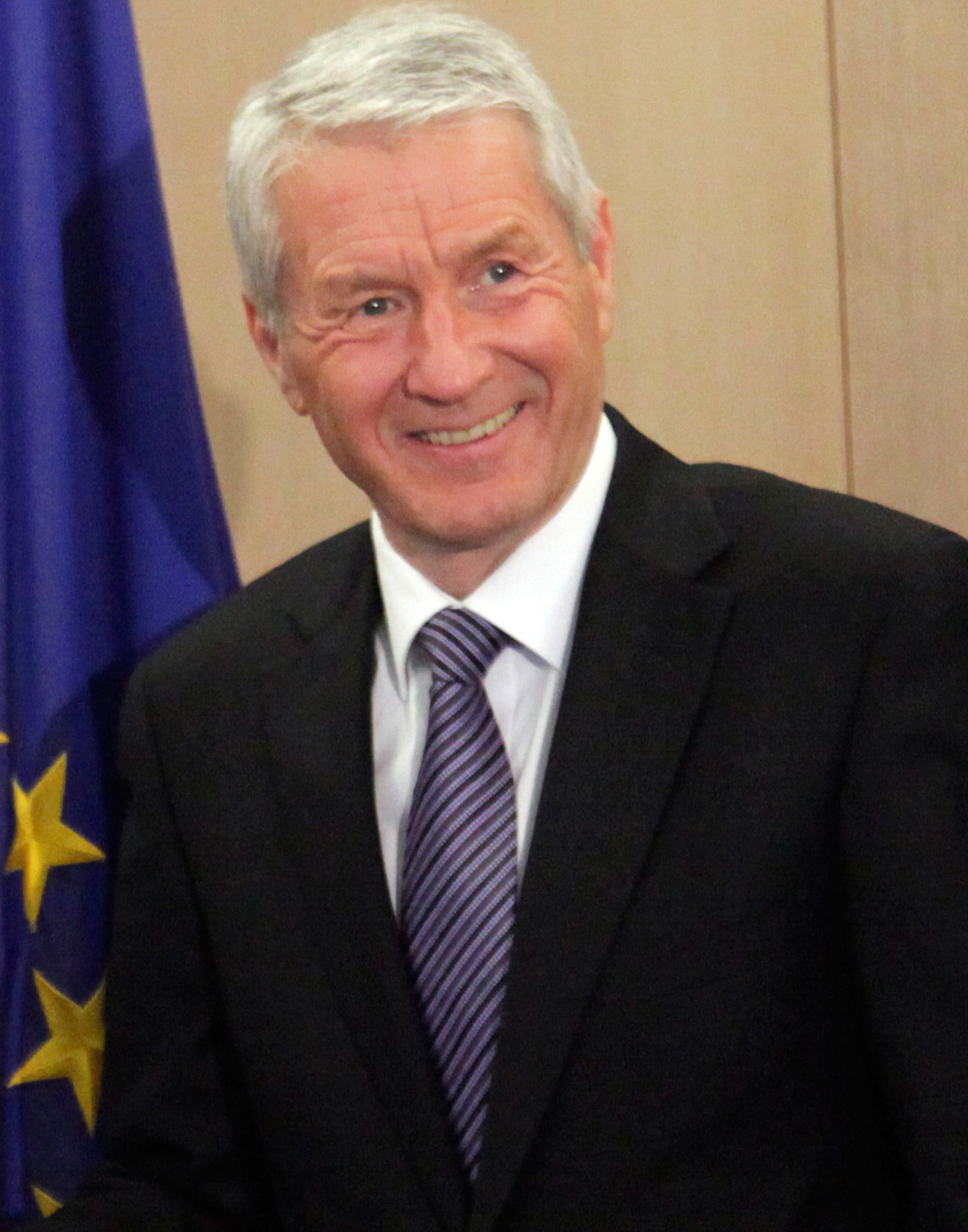
Thorbjørn Jagland
Thorbjørn Jagland, 2010. Office of the Prime Minister of Greece / Wikimedia Commons, CC BY-SA 2.0. Portrait context only.

01 / THE SPEECH

The architecture was said out loud.

The 29 October 1996 declaration is the primary document. It should be read before later myths are layered on top.

Jagland described “Det Norske Hus – år 2000” as the framework for long-term social development. The foundation was value creation within an ecologically sustainable society. The four supporting pillars were business and working-life policy; welfare policy; culture, research and education; and foreign and security policy.

The government also said it would establish councils on the most important policy areas, composed of highly competent people recruited from different parts of society. Their role was to provide ideas and continuous critical review of the government's development work.

That is worth investigating as governance architecture. It is not evidence that the councils were a covert command centre. The next archival task is to reconstruct which councils were actually established, how far implementation progressed before Rød-Larsen's resignation, who was invited, and what records survive.

25 Oct 1996JAGLAND GOVERNMENT APPOINTED
29 Oct 1996DET NORSKE HUS ANNOUNCED IN THE STORTING
4 pillarsBUSINESS/WORK · WELFARE · CULTURE/RESEARCH/EDUCATION · FOREIGN/SECURITY
OPENCOMPLETE COUNCIL MEMBERSHIP / IMPLEMENTATION RECORD
Thorbjørn Jagland
DOCUMENTED ROLE

Thorbjørn Jagland

Prime minister and public author of the governing declaration.

Terje Rød-Larsen
DOCUMENTED ROLE

Terje Rød-Larsen

Appointed minister in Jagland's government with planning/coordination responsibilities; his short tenure ended in the Fideco controversy.

02 / 1996 — THE HINGE YEAR

Several systems collided in public view.

Chronology can suggest research questions. It cannot, by itself, prove coordination.

The Lund Commission delivers its report on illegal/irregular political surveillance and relationships between secret services and political/labour organisations.

A parliamentary question contrasts NOK 50m of prior SND support to Røkke companies with NOK 8m for crisis-hit Finnmark fish industry.

Proposal in the Storting to reject Norway Seafoods' acquisition of Melbu Fiskeindustri.

Jagland government is appointed. Terje Rød-Larsen is among the ministers.

Jagland announces Det Norske Hus and the planned advisory-council model.

Fideco / Rød-Larsen is debated and questioned in the Storting, including the disputed Shell/Bird “vennetjenester” allegation.

The Furre affair shows that the surveillance system was not simply an old historical issue: POT had sought information about Berge Furre while he was part of the commission scrutinising the service.

03 / NETWORK MAP

Public coordination is not secret control.

The solid lines below come from the declaration and government appointments. The dotted line to Røkke is deliberately a non-finding.

JAGLAND GOVERNMENTpublic executive authority DET NORSKE HUSpublic long-term programme ADVISORY COUNCILSplanned broad recruitment BUSINESS / WORKpillar RØD-LARSENplanning / coordination minister FOREIGN / SECURITYpillar RØKKEsecret direct link not found
DOCUMENTED PUBLIC STRUCTURENO DIRECT SECRET LINK ESTABLISHED

04 / EVIDENCE LEDGER

What the phrase actually means in the record.

ClaimStatusBasisLimit
Det Norske Hus was an official Jagland government programme.DOCUMENTEDPrime minister's declaration, 29 Oct 1996.Not a secret society.
The government planned advisory councils recruited from different parts of society.DOCUMENTEDSame declaration.Complete implementation and membership are not yet reconstructed.
Foreign and security policy was one of the four pillars.DOCUMENTEDSame declaration.Does not show intelligence services controlled the project.
Rød-Larsen was a central ministerial actor in the new government.DOCUMENTEDGovernment appointment records.His short tenure limits how much of the programme he could implement.
Jagland, Rød-Larsen and Røkke operated a hidden Det Norske Hus network.NO EVIDENCE FOUNDNo primary record identified establishing such a covert structure.Do not infer from contemporaneous political/business controversies alone.

05 / RUMOR REGISTER & NEXT LEADS

The archive gap is more useful than a dramatic theory.

“Det Norske Hus was a secret elite organisation.” — CONTRADICTED BY ITS PUBLIC ORIGIN / NO EVIDENCE FOR SECRET COMMAND STRUCTURE

The programme was announced in Parliament. The investigative question is how its proposed networks were to work in practice, not whether the title itself was covert.

“Jagland and Røkke had a secret direct pact through Det Norske Hus.” — NO DOCUMENTARY BASIS FOUND

Political access, lobbying and common intermediaries can be researched, but they are not interchangeable with a secret agreement.

Reconstruct the councils

Find cabinet papers, invitations, minutes, membership proposals and surviving long-term-programme working documents.

Reconstruct Rød-Larsen's planning role

Identify which working papers he personally produced or commissioned during the short ministerial period.

RESEARCH UPDATE / FORMAL PROGRAMME vs INFORMAL NETWORK

The public architecture is clear. The membership map is still missing.

The search has now separated two things that are often collapsed: Jagland's official governance model and the informal elite networks reported around the same political moment.

DOCUMENTED · PRIMARY GOVERNMENT RECORD

The council model was explicit

Jagland's 29 October 1996 declaration said the government would establish councils on the most important policy areas, populated by highly competent people recruited from different parts of society. The stated purpose was broad idea input and continuous critical review.

The later Long-Term Programme developed Det Norske Hus as a formal policy framework; regional-planning policy also described “samråderett” as a working method involving regional government, municipalities and organisations.

Jagland government declaration, 29 October 1996

St.meld. nr. 29 (1996–97) — regional planning and “samråderett”

REPORTED CONTEXT · NOT AN OFFICIAL APPOINTMENT RECORD

Jens P. Heyerdahl sits at an interesting junction

Dagbladet later reported that Rød-Larsen dined with Orkla chief Jens P. Heyerdahl immediately after the key Fideco press conference on 15 November 1996 and characterised Heyerdahl as an informal architect around Det Norske Hus. Separate biographical material documents Heyerdahl's deliberate relationship-building toward LO and Labour and his later alliance with Kjell Inge Røkke in major business battles.

That makes Heyerdahl a legitimate CONTEXT / INTERMEDIARY research node. It does not make him a documented member of a secret governing council.

Dagbladet — reported network context

Store norske leksikon — Heyerdahl's AP/LO ties and Røkke alliance context

The document gap is now precise

We have not found an authoritative complete membership list for the proposed Det Norske Hus councils. The correct next targets are cabinet/SMK working papers, invitations, appointment lists, meeting minutes and Long-Term Programme working files — not speculation from who attended private dinners.

“Jagland + Rød-Larsen + Heyerdahl + Røkke = one secret command group.” — NOT ESTABLISHED

Each pair has different evidence. Some links are public government roles, some are documented business alliances, some are reported social/network contacts. They must not be flattened into one solid edge.

PRIMARY RECORD UPDATE / IMPLEMENTATION

Det Norske Hus moved beyond a launch speech.

An official state speech in October 1997 says that contact and dialogue with people from different environments had already taken place through council meetings and consultations. That is stronger than merely documenting an intention to create councils.

DOCUMENTED · OFFICIAL SPEECH · 9 OCT 1997

“Rådsmøter og samråd” had actually taken place

In the King's speech opening the 142nd Storting, the government stated that contact and dialogue with people from different environments had been strengthened, including through council meetings and consultations, and that the vision of Det Norske Hus remained a basis for social planning.

This changes one part of the evidentiary picture: consultation structures were not only proposed in October 1996; at least some were implemented during the government's term.

Regjeringen.no — King's speech, 9 October 1997

DOCUMENTED · POLICY IMPLEMENTATION

Samråderett was operationalised beyond the central government

St.meld. nr. 29 (1996–97) explicitly says “samråderett” should contribute to governing the nation and describes participation by the state, county and municipal authorities, business, organisations and citizens. It presents county planning as a meeting place for broad consultation.

This supports interpreting Det Norske Hus as a real governing and consultation method, not merely a slogan. It still does not establish the membership of any central elite council.

Regjeringen.no — St.meld. nr. 29 (1996–97)

The missing list becomes more important, not less

Because official records now confirm that council meetings and consultations took place, the next archival target is concrete: agendas, invitation lists, participant lists, minutes, cabinet/SMK correspondence and records identifying which councils met, when, and with whom.

Still not established

No authoritative public record located in this search proves that Jens P. Heyerdahl, Kjell Inge Røkke or another named business figure was a formal member of a central Det Norske Hus council. Reported social and business links remain a separate evidence category.

06 / SOURCE REGISTER

The public programme in its own words.