Lillehammer
The killing, the mistaken identity and the Israeli operation are documented. The Norwegian public inquiry did not substantiate claims that Norwegian police, Stay Behind or an informal “fourth service” assisted the killing.
ARCHIVE · 32 LIVE CASE FILES
Every case has a live route. “Full dossier” and “research dossier” remain separate publication states; a live page does not imply that every claim has been exhaustively reviewed.
32 of 32 case files

The killing, the mistaken identity and the Israeli operation are documented. The Norwegian public inquiry did not substantiate claims that Norwegian police, Stay Behind or an informal “fourth service” assisted the killing.

Its 1996 report documented that parts of surveillance by Norway’s secret services had been unlawful. It is one of the archive’s strongest reference points for separating verified covert state activity from broader theories.

The structure is documented, as is cooperation with British and American partners. The archive treats this as verified clandestine infrastructure while requiring separate evidence for claims that it intervened in unrelated domestic cases.

A later theory proposed involvement by British Harrier aircraft. The Storting’s Mehamn Commission examined logs, witnesses, radar material and wreck evidence and found no basis for a collision with another aircraft; it considered failure in the elevator-control system combined with severe turbulence the most likely cause.

The Gardermoen Commission reviewed allegations that Wiborg was threatened or killed because of what he knew. It found no reasonable basis for a murder motive in his material and concluded that suicide or accident was overwhelmingly probable.

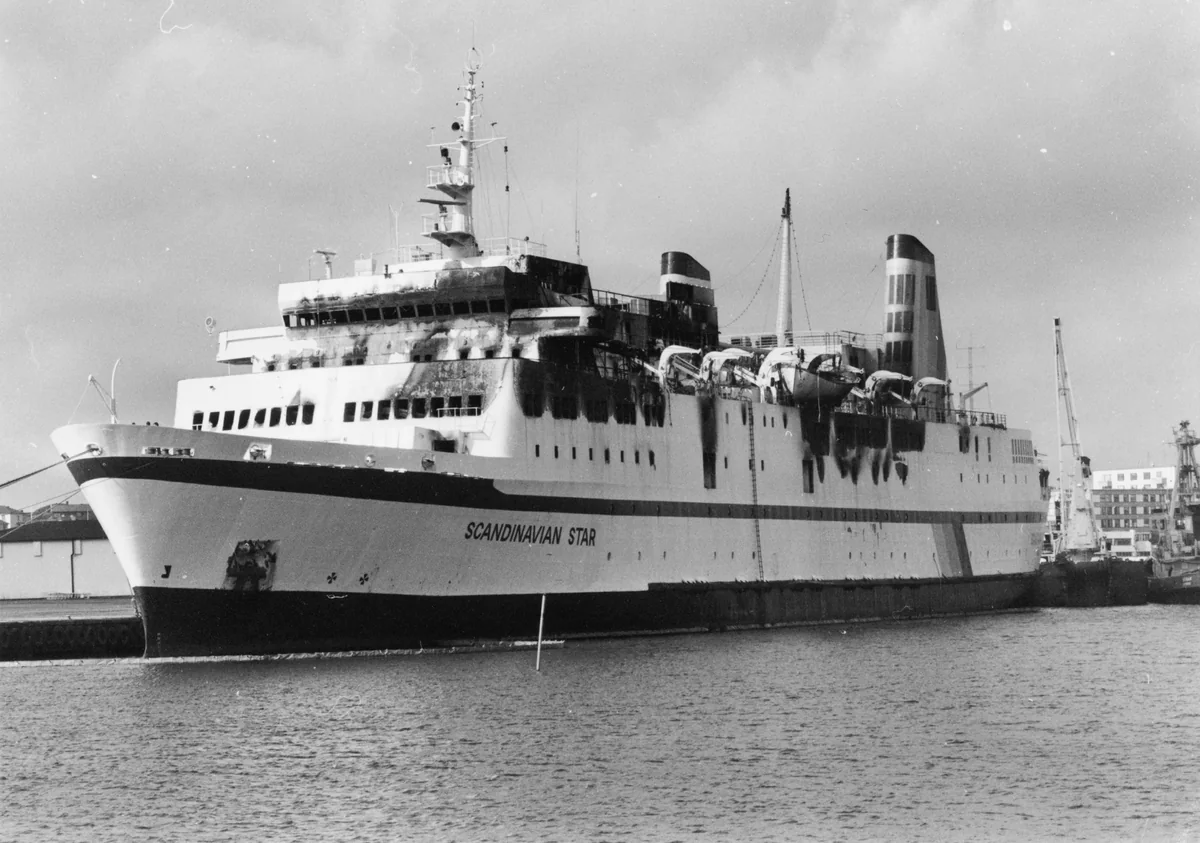
The disaster, multiple fires and decades of investigation are documented. The 2017 parliamentary commission reviewed the official response and unresolved questions; a major fire was considered overwhelmingly likely to have been deliberately ignited with an open flame, but broader claims about motive and responsibility require narrower proof.

The official inquiry documented a structural failure and major lessons for design, inspection and regulation. Deliberate sabotage is not established by the public record.

Aliases, coded travel notes, removed labels and unexplained movements are part of the enduring case record. Intelligence theories remain possible hypotheses, not established findings.

The murder is documented; responsibility remains unresolved. In December 2025 the Swedish prosecutor declined to reopen the investigation and changed the 2020 rationale, saying the evidence was insufficient to point to the previously named person as suspect.
IB’s existence and the resulting political scandal are documented. The stronger claim that IB was the visible node of a single transnational command system is not established by the public inquiries.

The sinking and official accident investigations are documented. A later Swedish inquiry confirmed defence-materiel transports on two earlier September 1994 voyages under a special routine; that finding does not itself establish such cargo on the final voyage or a cause of the sinking.

The crash is documented. Repeated UN reviews have kept open the possibility of external attack or threat; the public record does not justify presenting one attack theory as settled fact.

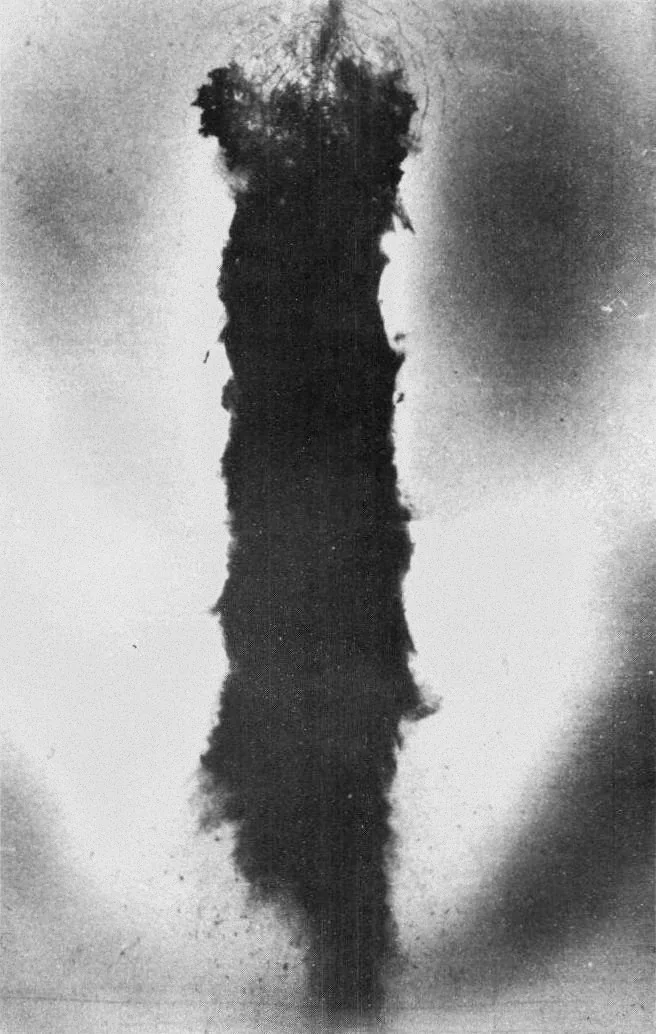
The crash, conventional detonation of weapon explosives, radioactive contamination and cleanup are documented. The archive separates those facts from stronger claims about hidden weapons or missing components that require claim-level evidence.

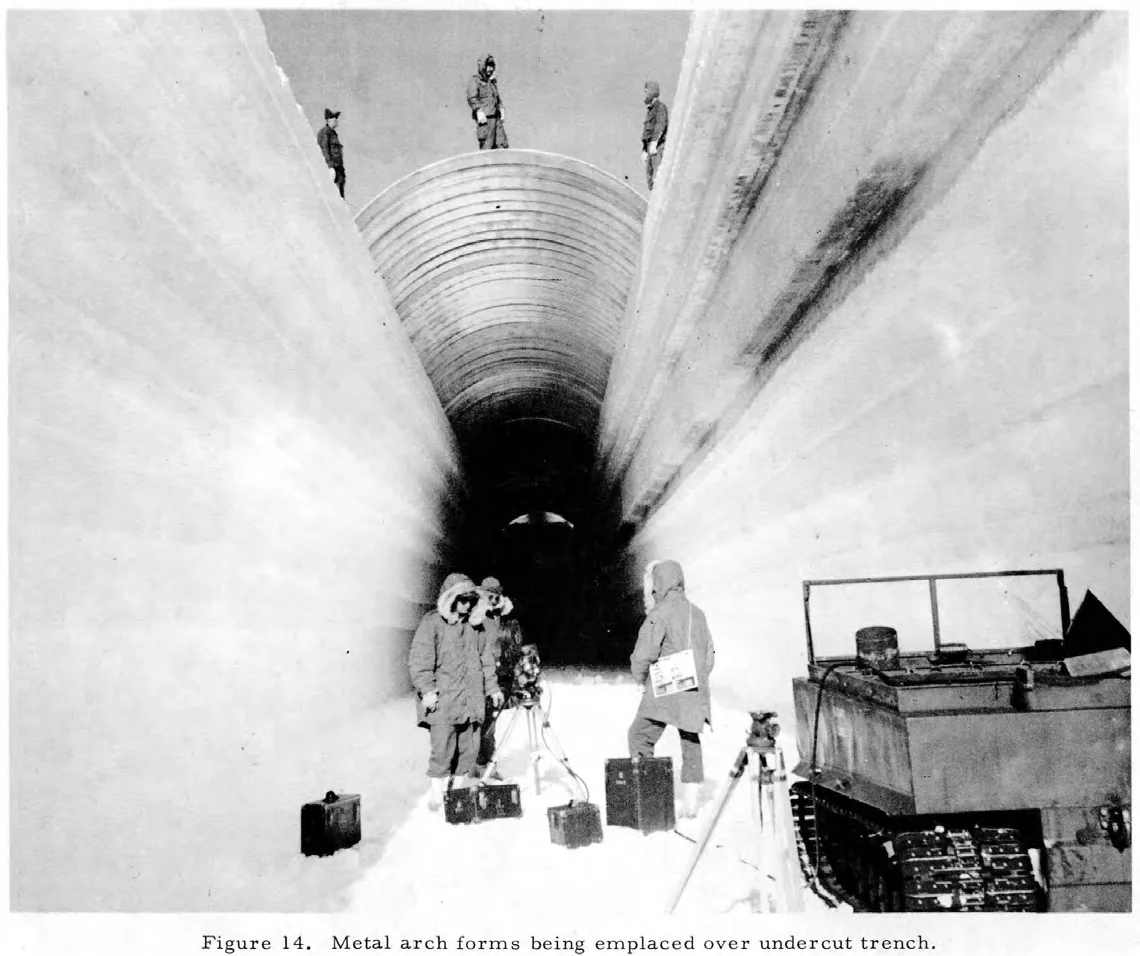
Project Iceworm was real planning, but the full missile network was not completed. Ice movement and engineering realities undermined the concept.

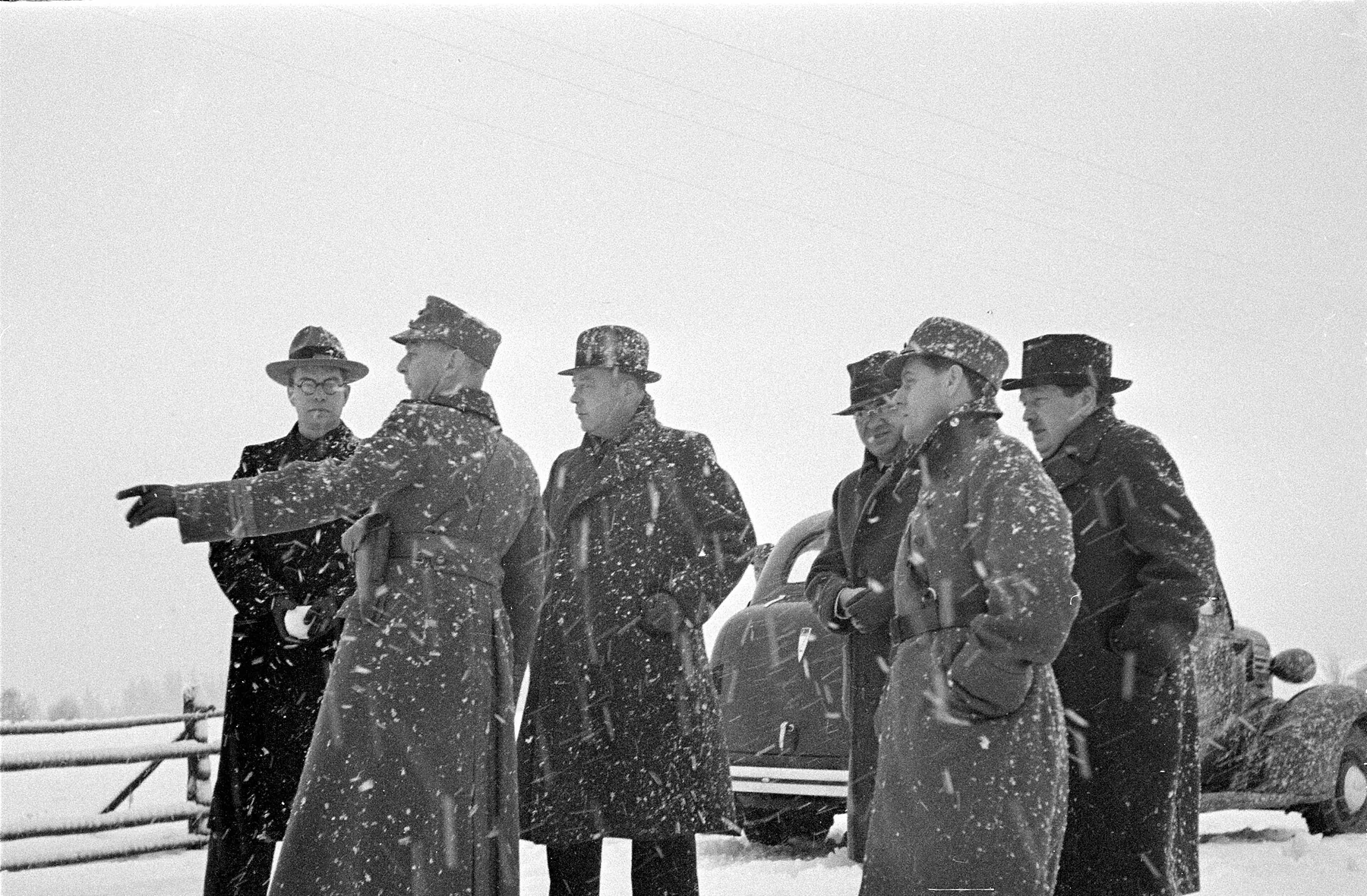
The incident belongs to the documented diplomatic sequence preceding the Winter War. Responsibility for the shelling is widely treated by historians as a Soviet provocation, but this dossier remains source-expansion pending until stronger primary material is added.

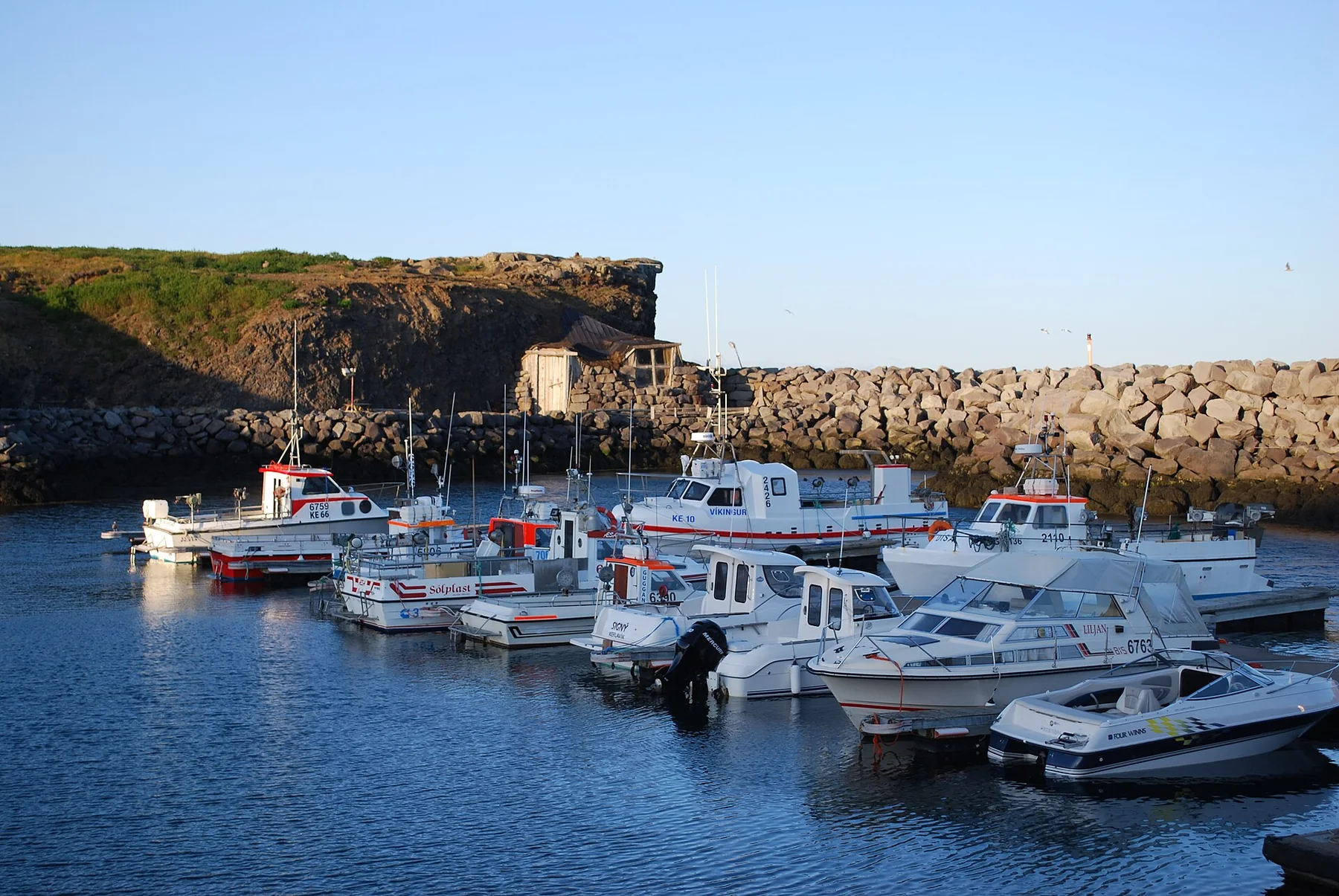
The disappearances remain unresolved. In 2018 Iceland’s Supreme Court acquitted five people of the relevant convictions, sharpening the case’s significance as a study in confession reliability and institutional failure.

Hauge is a genuine bridge between several documented postwar security histories. That makes him important to the archive, but actor overlap is context — not proof that separate events shared a hidden command structure.
This is a synthesis dossier, not a claim that Denmark, Norway and Sweden formed one secret command. Every connection is classified by evidence type: direct documentary link, institutional continuity, liaison context, strategic parallel or investigated-but-unsubstantiated claim.
Swedish state inquiries place T-kontoret in a succession of special services: T-kontoret, IB, GBU, SSI and KSI. Foreign liaison was an important part of this history.
The public record supports specific intelligence contacts and institutional context. It does not justify treating the Wallenberg family, Swedish services and Western intelligence as one proven covert network.

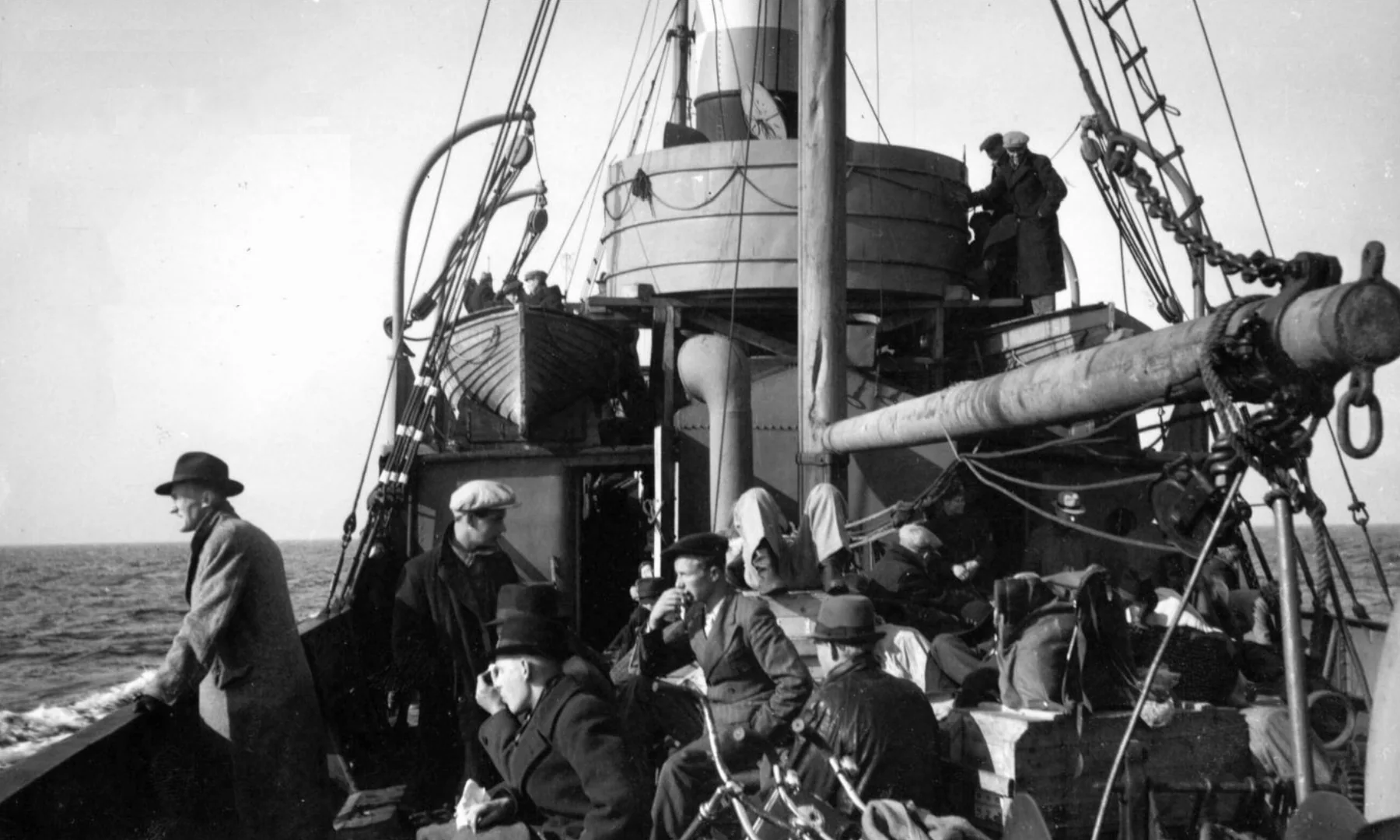
FRA’s own history documents longstanding Finnish–Swedish signals cooperation and the evacuation of roughly 750 intelligence-linked people to Sweden. Later Swedish SIGINT history should be connected to this through institutional context, not treated as the same operation.

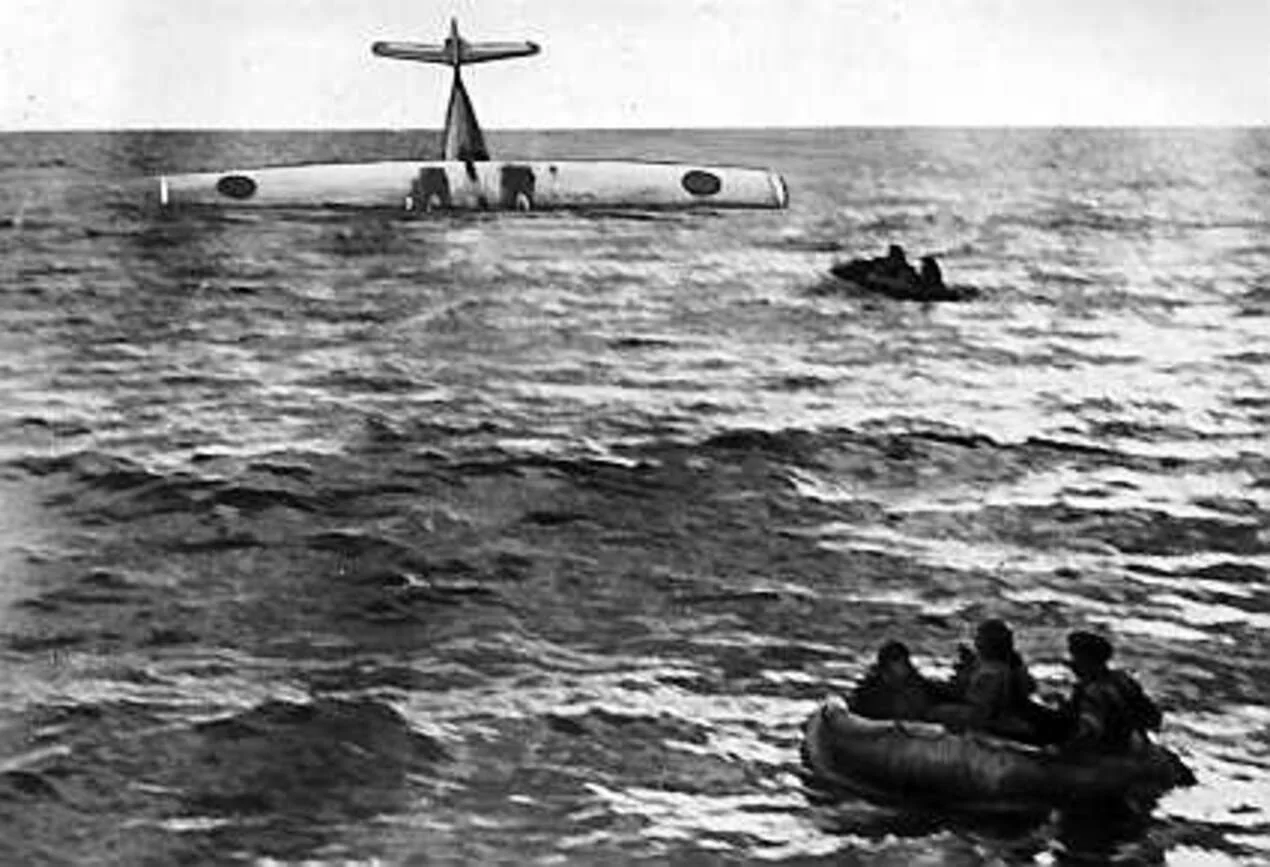
FRA now openly documents the DC-3’s SIGINT role and the secrecy surrounding it. The case is a strong example of a once-secret state activity later becoming established public record.
This file is deliberately treated as a subdossier of M/S Estonia. Earlier military-related transports are documented; their existence does not prove similar cargo on the final voyage or establish a cause of the sinking.
The 1979 inquiry could not give a definitive cause and emphasised icing or navigation. After new wreck evidence, the 2004 commission found collision with another vessel to be the probable cause and concluded the vessel was not off course.

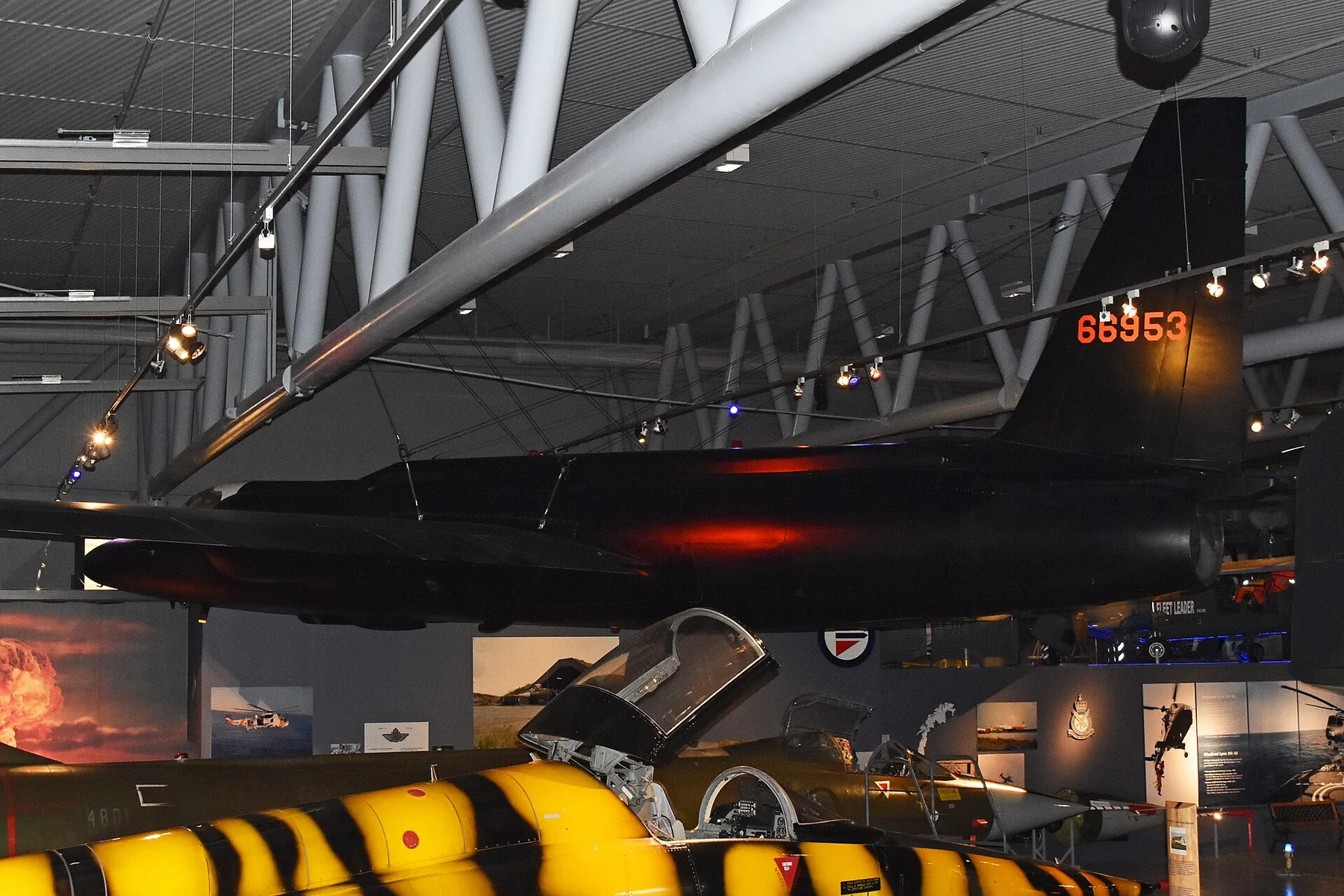
Declassified records make Bodø’s role in the flight plan concrete. They also illustrate the political sensitivity of using allied territory for intelligence operations while maintaining public policy constraints.
The episode is directly connected to the Palme investigation’s history. It demonstrates how unofficial investigative activity can become a documented scandal without proving any particular theory about who murdered Palme.

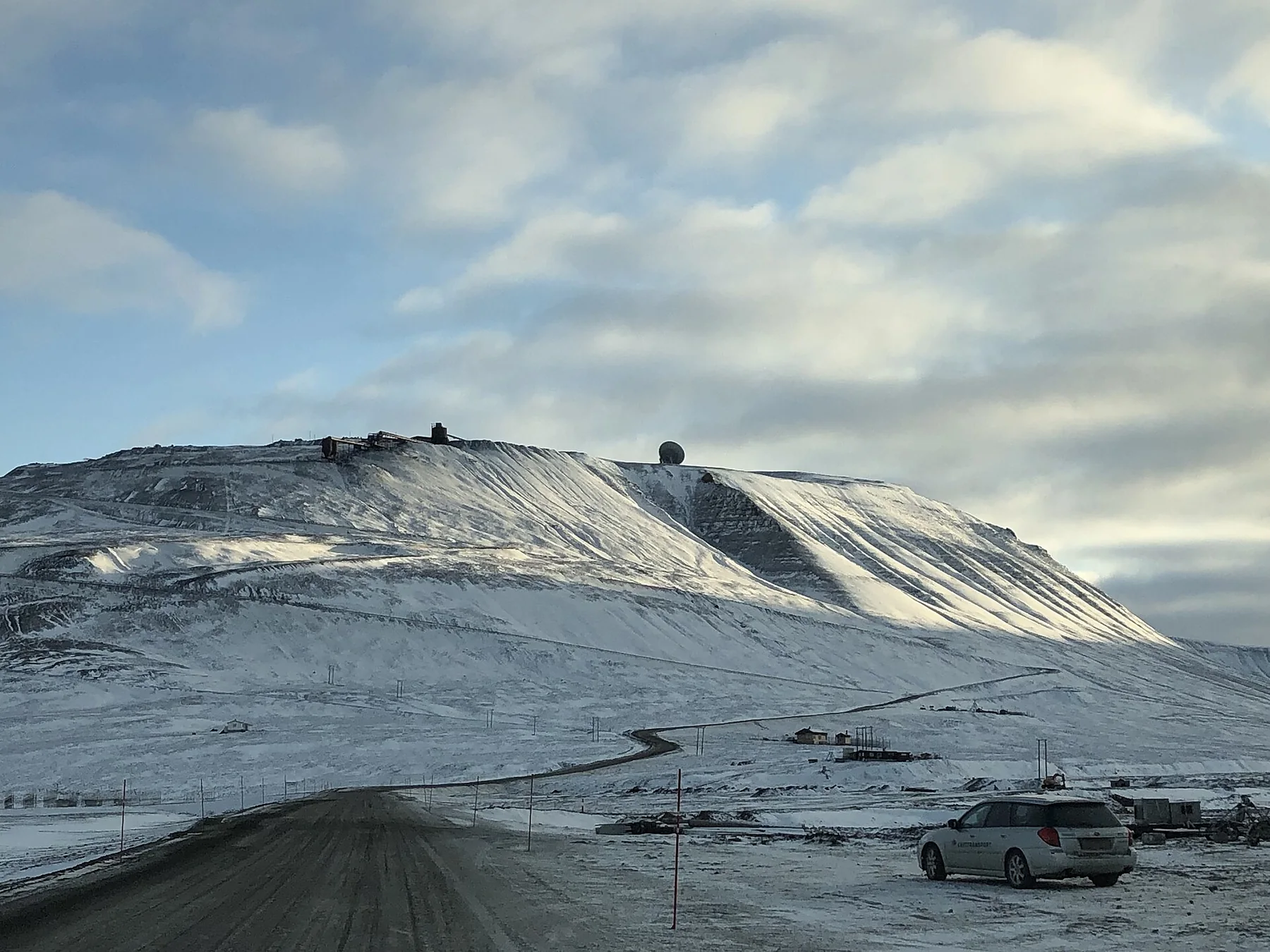
This dossier replaces the misleading title “Svalbard Secret Weapon.” The documented story is Arctic infrastructure, monitoring, fibre cables and strategic exposure. Vardø’s GLOBUS system is important context but is not located on Svalbard.

Norwegian public funding, IPI, Rød-Larsen and Epstein are linked by documented institutional and private relationships. The dossier separates those records from unproved claims of a single hidden command structure.

The Fideco controversy combined an industrial project in Finnmark, public and private interests, Rød-Larsen’s option/share position and later political scrutiny. Claims of deliberate fraud remain separately labelled.

Melbu, SND financing and Tore Tønne’s documented move from SND leadership to Norway Seafoods form a real state–capital sequence. The sequence is investigated as structure, not treated as proof of a corrupt bargain.

Jagland’s 1996 programme openly proposed long-term coordination and advisory councils recruited from different parts of society. The public architecture is documented; a secret Røkke command structure is not.

The Lund Commission reconstructed political registration, room surveillance, Fst II’s relationship with “Kontoret” and labour-movement contacts — with particularly important material from Northern Norway.